
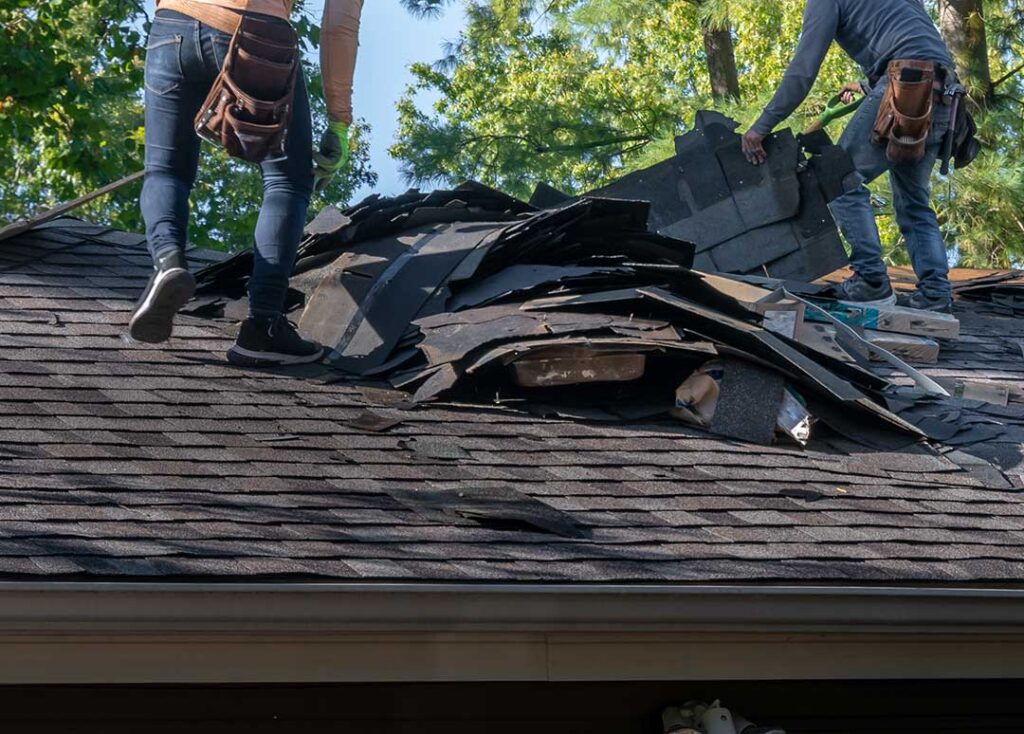
What Does Hail Damage Typically Look Like on a Roof?
Hail damage isn't always easy to recognize at first glance, especially for residents of Little Falls, NY, where hailstorms can vary greatly in intensity. On many area homes, the signs may be subtle—ranging from small dents in shingles to more severe cracking, bruising, or even loss of roofing material. The type of roofing, the size of the hail, and the storm’s direction all influence how damage presents itself.
In Little Falls, where wind-driven hail can strike during unpredictable spring or summer storms, roof surfaces may show:
- Dark spots or bruises that feel soft to the touch, often compared to bruised fruit
- Granule loss on asphalt shingles, exposing darker, underlying material
- Visible dents or small circular marks, particularly on metal flashing and gutters
- Shingles with cracks or splits, sometimes accompanied by broken edges
Noticeable patterns—such as clusters of marks on one side of the roof—often align with the direction from which hail blew in during the storm.
Why Is It Hard to Recognize Hail Damage Without Experience?
Many local homeowners expect hail to cause obvious, dramatic harm, such as missing shingles or visible leaks. In reality, most hail damage in the city is much more subtle. Shingle bruises can be tiny, and initial granule loss may look like nothing more than routine wear. Because of this, damage sometimes goes unnoticed, only becoming obvious months or years later when leaks develop.
Another challenge in the region is distinguishing between normal wear and hail impact. Little Falls experiences a mix of weather: freeze-thaw cycles, heavy snow, and wind can also wear down a roof. Hail damage often looks less uniform and more random than the steady erosion caused by age or standard weather.
What Areas of a Roof Are Most Vulnerable in Little Falls?
Homes in Little Falls tend to have sloped, asphalt shingle roofs that are especially vulnerable in places where hail meets flat or exposed surfaces. Vulnerable areas include:
- Roof valleys where two slopes meet and concentrate runoff
- Ridges and peaks, where shingles can be thinner or more exposed
- Flashing around chimneys and skylights, which is often made of metal and easily dented
- Eaves and roof edges, which can suffer direct, unbroken hail impact
Attic vents, skylights, and other roof fixtures can also show signs of damage. Even soft metals like aluminum siding or vent covers will reveal dents that signal larger hail exposure—even if shingle marks are less obvious.
How Can Homeowners Safely Inspect for Hail Damage Themselves?
Local residents can conduct a careful, ground-based inspection after severe weather. This safe approach involves:
- Using binoculars to scan for shingle bruising, missing granules, or cracked tabs
- Observing metal surfaces (gutters, downspouts, flashing) for dimples or dents
- Checking for debris in gutters that resembles shingle granule buildup
- Looking for shingle fragments or roofing material on the ground near downspouts

Residents should avoid climbing onto slippery or steep roofs, especially after storms. Most visible clues can be observed from the ground or with minimal risk from a sturdy ladder on a dry, calm day.
What Are Common Misconceptions About Hail Damage in Little Falls?
A widespread misconception is that any granule loss or small dent equals storm-related damage. In truth, local roofs often show minor abrasion simply from age or seasonal debris. Not all discoloration or minor marks are hail-related.
Another myth is that every hailstorm requires immediate roof replacement. In many cases, cosmetic damage does not compromise the roof’s function, and not all marks qualify as structural harm under local building codes.
Some residents also assume that small hail never causes hidden damage. In Little Falls, lighter storms with rapid temperature changes can still produce roof bruising if hail falls hard enough or wind amplifies the force.
What Hidden Risks Can Go Unnoticed After a Hailstorm?
Subtle hail damage may leave a roof vulnerable to later issues such as leaks, ice dams, and mold growth—particularly in the city, where freezing rain and snow follow closely on summer storms. Granule loss weakens a shingle's protection, allowing sunlight and water to degrade underlying layers. Over months, small cracks or bruises can expand, allowing moisture intrusion that’s not immediately visible from the exterior.
Unchecked damage can also shorten the lifespan of a roof, resulting in the need for repairs or replacement sooner than expected. Homeowners who miss these signs may only recognize them after interior water stains, increased drafts, or attic mold become apparent.
What Steps Should Residents Take After Suspecting Roof Hail Damage?
First, document any potential damage by taking clear notes and photographs, especially if hail remnants are visible. Cross-check with weather reports to verify severe hail occurred in the area. If safe, inspect accessible spots and note any new leaks or changes in attic ventilation. For more serious impact signs—like punctured shingles or large missing sections—further assessment may be needed, particularly if interior leaks develop.
If damage appears limited to cosmetic effects, continue to monitor the attic and upper rooms for signs of moisture or mildew in the following months. Regularly clear debris from gutters and ensure that downspouts remain unclogged to reduce risk.
