

Why Does Roof Debris Require Attention in Little Falls, NY?
Roof debris might seem like a minor annoyance, but for households throughout Little Falls, leaving organic matter on rooftops can lead to clogged gutters, damaged shingles, and even interior leaks. The region’s mix of tree cover and seasonal weather shifts—think autumn leaf falls, spring pollen, and winter snowmelt—make regular roof maintenance a practical necessity for protecting a home’s longevity and curb appeal.
What Qualifies as Roof Debris?
For most area homes, debris can include:
- Leaves and twigs, especially after seasonal storms
- Pine needles and small branches from local trees
- Moss and algae in shaded or perpetually damp areas
- Built-up dirt, dust, and pollen from winds and spring pollination
Choosing the right approach depends on the type of debris and your specific roof material.
How Do Little Falls Residents Safely Access Their Roofs?
Safely accessing a roof is the foundation for all debris-cleaning efforts. Many injuries happen when homeowners underestimate the risks posed by steep roof slopes, loose materials, or wet surfaces.
To access your roof safely:
- Use a sturdy, extendable ladder on firm, level ground. If soil is soft from rain or snowmelt, pad the base for stability.
- Ensure the ladder extends at least three feet past the edge to give yourself something to hold.
- Enlist someone to steady the ladder, or if working solo, securely anchor it.
- Wear slip-resistant shoes, preferably rubber-soled, to prevent slipping on asphalt shingles or metal panels.
- Wait for a dry, mild day. Avoid climbing when the roof surface is wet, frosty, or covered in compacted debris.
For homes with very steep or high roofs—common in some older Little Falls neighborhoods—consider performing only what’s reachable from the ground or ladder.
What Should You Do Before Cleaning Debris?
Preparation prevents property damage and personal injury. Before climbing or starting any cleaning:
- Check the forecast for wind or possible rain that might increase risk.
- Survey the area for power lines, overhanging branches, or loose gutters.
- Gather needed supplies (stiff broom, leaf blower, gloves, roof rake, or plastic scoop).
- Notify household members so they’re aware someone is working overhead.
By pausing to plan, residents often avoid broken windows, accidental falls, or gutter overflows.
Which Tools Are Most Effective for Clearing Roof Debris?
The right tools help protect your roof’s surface and your own safety. Some Little Falls homes, especially those shaded by mature trees, benefit from specific approaches:
- Roof rake: Lightweight and extendable, these let you pull leaves or snow from the ground up to the first story or two.
- Leaf blower: Use a cordless model to keep cords off the roof. Always blow debris down the slope, not up.
- Soft-bristled broom: Gently sweep loose materials in the direction of the shingle slope. Stiff brooms can dislodge granules.
- Plastic scoop or handheld rake: Good for piles of wet leaves or moss, especially near valleys and gutters.
Avoid power washing, which often forces water under shingles and dislodges protective granules—shortening a roof’s lifespan, especially in older houses.
How Can You Remove Debris Without Damaging Shingles?
Gently sweeping or raking is usually enough for most homes in the city—aggressive scrubbing can create more problems than it solves. Use these common-sense steps:
1. Always work downward along the slope to avoid lifting shingles.
2. For moss or algae, sweep off loose growth first. For persistent patches, a diluted mixture of water and white vinegar can sometimes help—test it on a small area first.
3. Avoid walking on fragile spots, including older shingles, soft wood, or areas around chimneys where flashing may be loose.
4. Never use metal tools directly on the surface, as these can scrape or gouge material.
If your home has gutter guards, remove and clean them periodically—roof debris often collects at guard edges, creating blockages that aren’t always visible from below.
How Often Should Residents in Little Falls Clear Roof Debris?
Routine roof care is less about creating a strict schedule and more about responding to local conditions. In Little Falls, typical guidance is:
- Check after annual leaf drop (usually late October to mid-November).
- Inspect following major wind events, heavy rains, or late-winter snowmelts.
- Review again in late spring, as pollen and flowering debris peak.
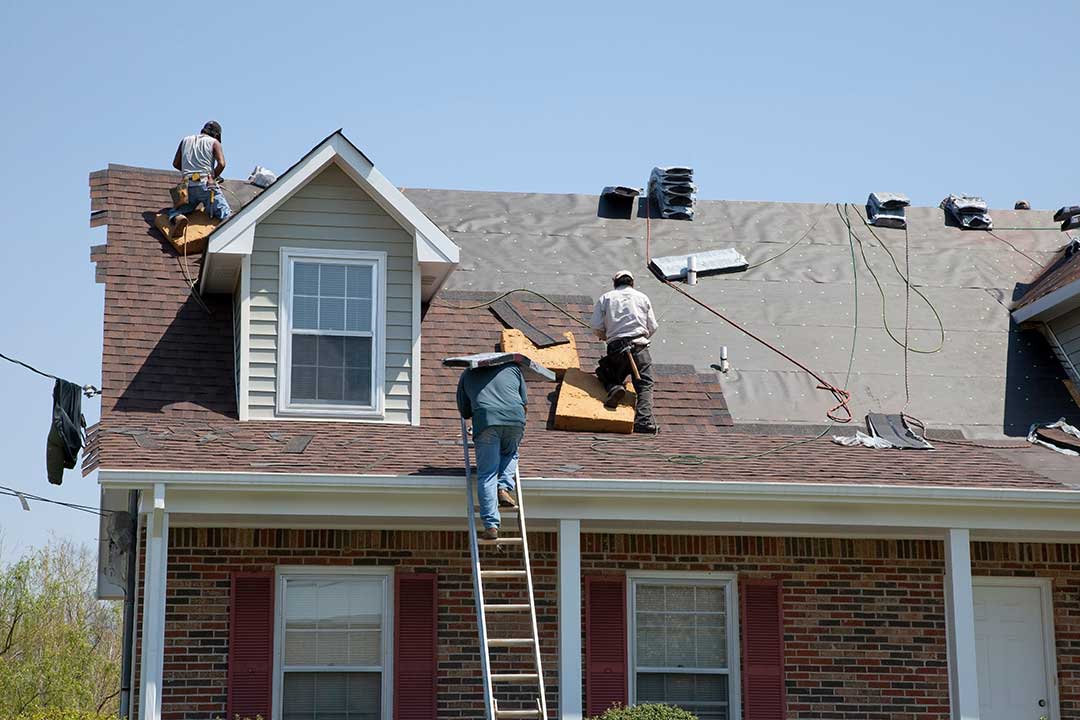
If your roof collects pine needles year-round or is shaded by dense branches, a seasonal quick inspection is also wise.
What Problems Arise from Overlooking Roof Debris?
Ignoring accumulated debris in Little Falls often causes bigger problems than anticipated:
- Water dams—particularly from wet leaves or thick moss—promote leaks or ice dam formation during freeze/thaw cycles.
- Clogged gutters force water under shingles and soffits, damaging roof decking or eaves.
- Trapped moisture encourages rot, especially in older homes with less attic ventilation.
- Weight from saturated leaves or heavy snow adds stress, particularly on flat or gently pitched roof designs.
Each of these issues is common in local neighborhoods and can result in costly repairs if not caught early.
Are There Common Mistakes When Cleaning Debris from Roofs?
Residents sometimes use harsh cleaning products or take unnecessary risks that do more harm than good. Key mistakes to avoid:
- Using metal rakes or shovels that scratch and dent roofing.
- Pressure-washing shingles, which strips away protective coatings.
- Disregarding personal safety, such as overreaching or climbing during poor conditions.
- Ignoring gutters, which are often where the majority of dislodged debris ends up.
- Letting moss or wet debris remain in shady areas where it can regrow rapidly.
A careful, steady approach helps avoid these pitfalls and keeps your roof in good shape despite Little Falls’s variable weather.
When Do You Need Professional Help?
Most debris removal is within reach for cautious homeowners, but there are times when calling in outside assistance is the safer, more effective path:
- When your roof is two stories or higher and not easily accessible from the ground or a ladder.
- If debris includes heavy limbs or ice that may threaten roof structure.
- When you spot signs of rot, widespread water damage, or missing shingles while cleaning.
Falls and injuries are a real concern—when in doubt, choose safety over savings.
