
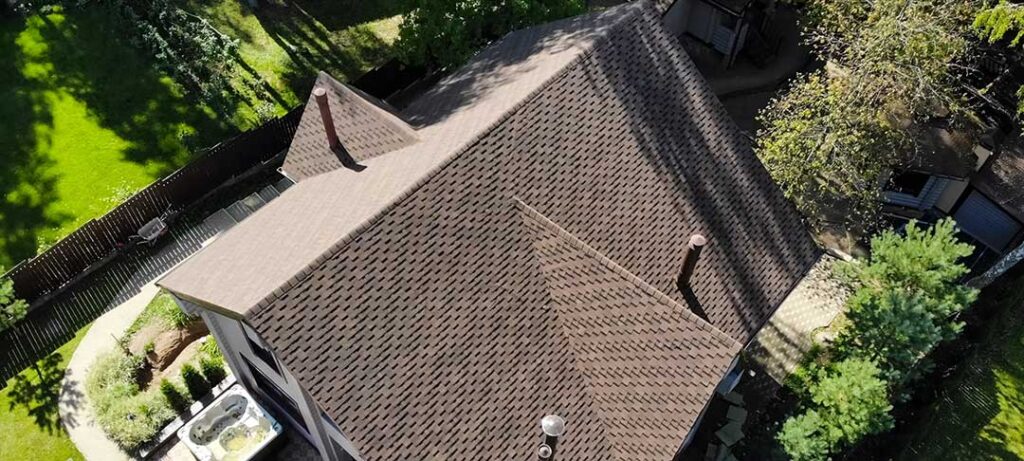
What Problems Can Arise from Delaying Roof Repairs?
Putting off roof repairs can lead to much bigger issues for homes in Little Falls, NY. Even minor leaks or cracks can quickly turn into structural problems if left untreated, thanks especially to the area’s freeze-thaw cycles and heavy spring and fall precipitation. Water that seeps through small openings may start damaging attic insulation, ceilings, and even the framework of your home, sometimes before it becomes visible indoors.
How Do Little Falls' Weather Patterns Affect Unrepaired Roofs?
Little Falls experiences significant seasonal changes, with cold, snowy winters and rain-heavy springs. Local roofs endure repeated freezing and thawing, which can worsen minor weaknesses. When water penetrates a damaged roof and freezes, it expands, widening gaps and forcing shingles apart. Meltwater then works even deeper once temperatures rise. Here’s how this cycle typically impacts neglected roofs:
- Small cracks become large leaks by spring.
- Accumulated snow increases stress on already weakened structures.
- Ice dams often form at roof edges, causing water to back up under shingles.
- Humidity from mild summers can foster mold if earlier leaks went unnoticed.
What Are the Hidden Costs of Avoiding Timely Roof Maintenance?
Ignoring roof repairs may seem like a way to save money, but hidden costs quickly add up for area households. A small leak often goes unnoticed until damage spreads, resulting in:
- Higher utility bills due to lost insulation and increased heating/cooling needs.
- Mold remediation expenses if moisture escapes into walls or attic spaces.
- Repairs to ceilings, wiring, and light fixtures damaged by prolonged leaks.
- Potential loss of personal items stored in attic spaces.
Some local homeowners are surprised to find that water damage is not always fully covered by their insurance if it’s traced back to neglect or a long-ignored leak.
How Does Roof Neglect Impact Home Safety and Indoor Air Quality?
Unnoticed deterioration affects more than the roof itself. Damp insulation and structural wood can soon host mold and mildew, especially in houses with less ventilation—a common situation in older homes in Little Falls. Airborne mold spores and musty odors may develop in living spaces, aggravating allergies or respiratory problems among residents.
In severe cases, moisture can weaken support beams, making ceiling collapse a possibility during periods of heavy snow or rain. Electrical systems, if exposed to chronic dampness, can also become hazardous.
Can Delayed Repairs Lead to Pest or Wildlife Issues?
Roof gaps, cracked flashing, or missing shingles can invite local wildlife into attic and crawlspaces, especially during colder months. Squirrels, raccoons, and birds may find their way inside via unrepaired openings. These animals not only cause further physical damage but can also introduce droppings and nesting material, contributing to hygiene concerns and fire risk.
What Are Common Misconceptions About Minor Roof Damage?
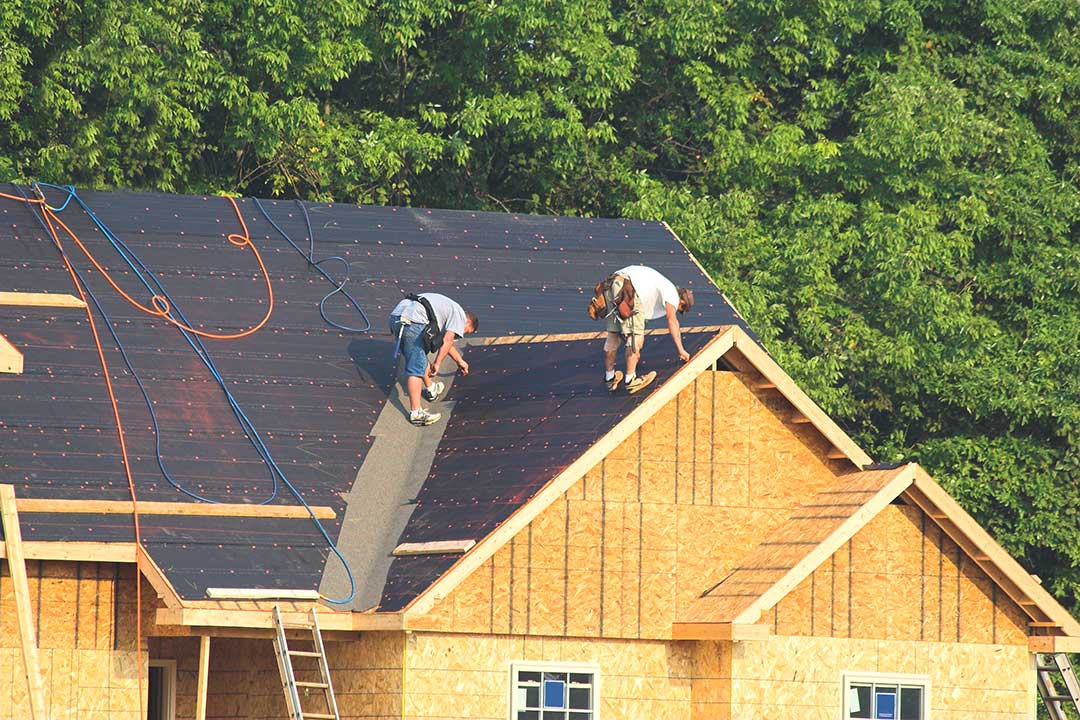
Residents sometimes assume that small leaks or a few damaged shingles are only cosmetic—not realizing even small faults can allow significant water entry. Additionally, temporary repairs like tarps or sealant may only provide short-term relief. The reality in a city with wet springs and snowy winters is that any opening can become a much larger issue in just a few months.
Another misconception is that roofs always “last as long as advertised”. A roof’s projected lifespan assumes regular care; skipped inspections or repairing only the most obvious damage can shorten a roof’s life by several years.
What Signs Should Local Residents Watch For?
Routine checks are helpful, especially after storms. Residents should be alert for:
- Damp spots or stains on interior ceilings and walls
- Peeling paint or wallpaper near exterior walls
- Granules from shingles accumulating in gutters
- Out-of-place shingle lines, sagging, or warping
- Rust or water stains around chimneys and skylights
If any of these signs appear, an immediate response is far less costly than fixing multiple problems later.
Why Do Roof Problems Escalate More Quickly in Some Little Falls Homes?
Older structures and historic houses, which are common throughout the city, may have outdated roofing materials or construction methods. These roofs can be less resilient against temperature swings. Steeper roof pitches—typical on many older homes—can sometimes allow water and debris to hide damage from view. Additionally, shaded properties in the area may stay damp longer after storms, giving mold and rot more time to develop.
What Steps Can Households Take to Reduce Risk?
The best long-term strategy is regular observation, particularly each spring and fall. Quickly addressing any visible damage after a storm or heavy snowfall, keeping gutters clear, and ensuring attic spaces remain dry will reduce the likelihood of hidden issues developing. While major repairs may sometimes require professional help for safety reasons, staying proactive with small actions at the household level can greatly reduce the risk of costly and disruptive repairs.
