

What’s the Difference Between Re-Roofing and Roof Replacement?
Re-roofing and roof replacement are two common terms local homeowners encounter when facing an aging or damaged roof. While they sound similar, these processes differ significantly in method, longevity, and cost. Knowing the distinction can help area residents choose the most appropriate solution for their home’s needs and budget.
What is Re-Roofing?
Re-roofing means adding a new layer of shingles directly over an existing roof, rather than removing the old roof completely. It’s often considered a quicker and less disruptive way to restore a roof’s outer surface.
- Only a single additional layer is typically allowed by building codes—most homes can be re-roofed once before a full replacement is required.
- The current roof must be in reasonably sound structural condition. Extensive rot, sagging, or leaks often rule out this option.
- This approach is usually less expensive since it skips the labor and disposal costs of tearing off old materials.
For many homes in the area, especially those with a single layer of shingles and no significant water damage, re-roofing offers a faster refresh ahead of another harsh winter. However, it provides only a surface fix and won't address deeper issues hidden below the shingle layer.
What is Roof Replacement?
Roof replacement means the complete removal of the old roofing material down to the deck, followed by installation of new underlayment and shingles. This thorough process gives homeowners a new roof system from the underlayment up.
- Replacing the entire roof allows for inspection and repair of the wood decking, which may reveal moisture damage, rot, or pest issues not visible from above.
- Most manufacturers’ warranties for shingles require full replacement—important for future resale or insurance claims.
- A roof replacement often lasts significantly longer than re-roofing, providing better protection through the area’s snowy seasons and freeze-thaw cycles.
While more involved and typically more expensive up front, full replacement is the only route if the existing roof is already layered twice, badly damaged, or past its expected lifespan.
How Do Local Climate and Housing Factors Influence the Choice?
Little Falls experiences long winters, freeze-thaw cycles, and occasional ice dam formation along eaves. These conditions put extra stress on roofing systems and can accelerate underlying problems.
Because re-roofing does not provide a chance to address issues beneath the shingles, it may not be suitable if ice dams or wind-driven moisture have already caused leaks or hidden decay. Area homes with older insulation or attic ventilation can also face long-term issues if the roof deck isn’t checked regularly.
Many older homes in the community have steep rooflines and unique architectural details. Thorough replacement may be the wiser choice for long-term protection, especially in historic homes where underlying structures need evaluation.
When Should Homeowners Consider Re-Roofing?
Re-roofing can be a viable option for some local households when:
- The existing shingle layer is the only one present (never for roofs with two or more layers)
- The roof deck beneath is in generally good condition—free of rot, water stains, or sagging
- There are no significant leaks or ice dam damage during colder months
- Homeowners are looking for a cost-effective, short-term update before a planned replacement within the next decade
It’s a way to buy a few more years of protection, usually at a lower cost, but with the understanding that major problems underneath can remain undetected.
When Is Roof Replacement Necessary?
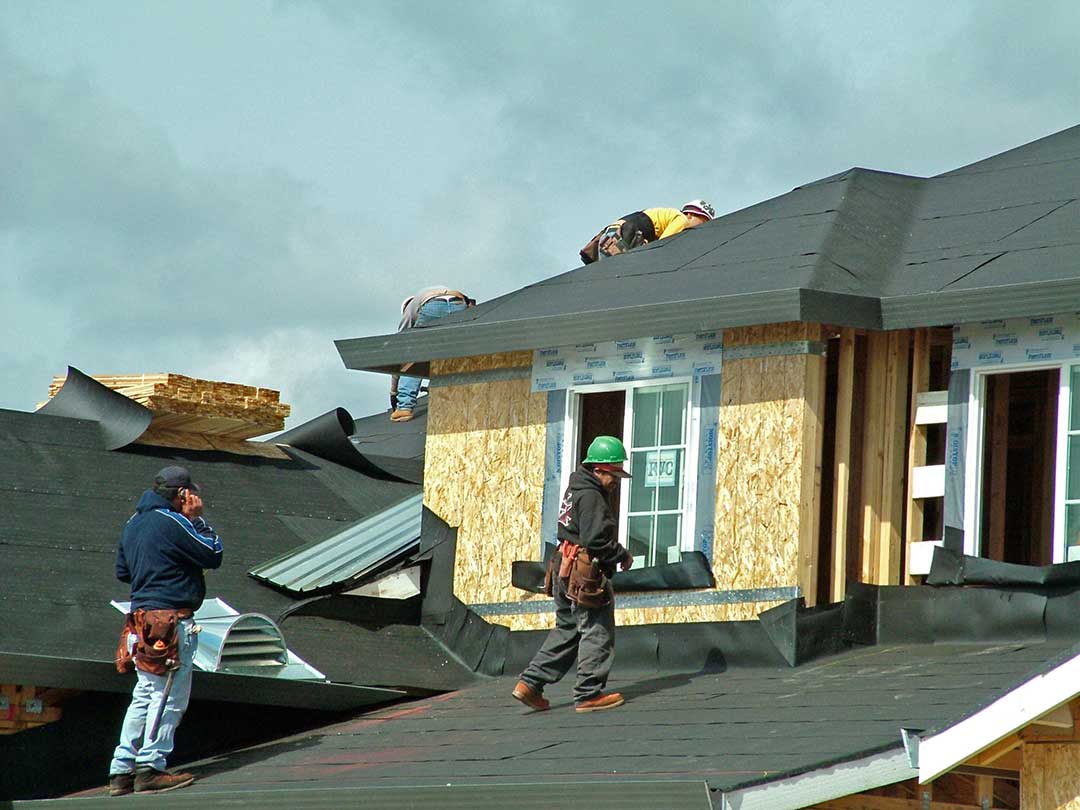
Roof replacement is usually recommended when:
- The existing roof has two or more layers already—area codes generally prohibit adding a third
- There are signs of deck rot, water intrusion, or structural sagging
- Shingles are curling, missing, or granule loss is widespread
- The roof is nearing the end of its expected lifespan (typically 20-30 years for asphalt shingles)
- Homeowners want to improve attic ventilation or insulation at the same time (a common upgrade after local winters)
- Warranty coverage is important for future claims
Full replacement is the most reliable way to solve ongoing leaks and ensure protection through future winters and storms.
Common Misconceptions
Some believe re-roofing is always the “cheaper and easier” route, but this isn’t always the case in the city. For instance:
- If existing shingles are irregular or curled, a new layer may not lie flat, leading to premature shingle failure.
- Skipping tear-off can mask bigger issues, such as mold or decay, which may be more expensive to fix later.
- Insurance policies may have different requirements for layered roofs; check policy terms and local building code updates before making a decision.
How Can Homeowners in the Community Assess Their Options?
The right choice between re-roofing and replacement depends on each home’s roof condition, age, and future plans. Visual inspections of the attic after winter, looking for water stains or wood rot, are especially useful in northern climates. Residents should also review city building regulations related to shingle layers or roof structure requirements before starting work.
Both approaches have their place in maintaining local homes, but a clear understanding of each ensures a well-informed decision that balances budget, longevity, and protection from the weather patterns the community regularly faces.
