

What Should You Do First If You Find a Roof Leak?
First, stay calm and limit water damage. When you notice water dripping from your ceiling, bubbling paint, or a growing stain, move quickly to protect your home’s interior. Place buckets or containers under active drips, and move electronics and valuables out of the affected area. If safe, turn off electricity to rooms with significant water exposure to avoid electrical hazards.
Many leaks in Little Falls homes appear suddenly during heavy rain, wet spring weather, or early thaws. Prompt action keeps minor leaks from turning into larger home repairs.
How Can You Find the Source of the Leak?
Finding the source of a roof leak can be tricky—water often travels before it drips inside. Start by inspecting the area above the leak on the ceiling. If your attic or crawlspace is accessible and dry enough, use a flashlight to look for:
- Wet insulation or wet spots on roof boards
- Damp rafters or discolored wood
- Nails that appear rusty or have moisture beads
- Signs of daylight peeking through the roof deck
In many Little Falls homes, leaks are often found around chimneys, old flashing, attic vents, skylights, or areas where snow and leaves collect. If you feel uncomfortable going into your attic, or if the leak is near electrical wiring, wait for conditions to improve and avoid personal risk.
What Steps Can Limit Damage Until Repairs Are Made?
Minimizing ongoing water damage is your next priority. You can:
- Lay plastic sheeting or tarps in the attic over the damp area to temporarily redirect water into buckets
- Use towels to soak up standing water inside the attic
- Ventilate the area with fans or open windows (if weather allows) to help dry things out
- Remove and set aside wet insulation—wet insulation loses effectiveness, and moisture breeds mold
- On flat or gently sloped roofs, a tarp can sometimes be weighted down over the suspect area as a temporary fix (do this only if it is safe to access the roof)
In the humid summers and freeze-thaw cycles in the area, moisture trapped inside can quickly cause mold and further damage, especially in older homes with less airflow. Prompt drying is just as important as stopping the immediate leak.
Is It Safe to Inspect the Roof Yourself?
Many residents wonder if they can safely go up on their roof. Walking on a wet or icy roof—even a gently pitched one—can be hazardous. Steep roofs, slippery asphalt shingles, or metal surfaces are particularly risky, especially during late winter thaws or after freezing rain. If there is thunder, strong winds, or it feels unsafe, wait until calmer and dryer conditions.
Do not climb ladders or walk on your roof in storms, at night, or if you feel unsure of your balance. Most leaks can be inspected from the attic or from the ground with binoculars until a full repair is possible.
Can You Quickly Patch a Leak Yourself?
Temporary fixes may help in urgent cases. Products like roofing tape or roof cement can be applied, inside or out, over obvious holes or cracks. For small holes in accessible attic roof decks, pressing a piece of sturdy plastic or flashing material over the area and securing it with duct tape from the inside may slow water entry. These steps are only short-term solutions and should be monitored frequently.
Always avoid applying any sealant if standing water, mold, or structural damage are present. Improper patches can hide bigger problems or create unnecessary messes.
When Should You Seek Professional Help?
Certain situations require experienced assistance, especially when safety or the extent of the damage is in question. These include:
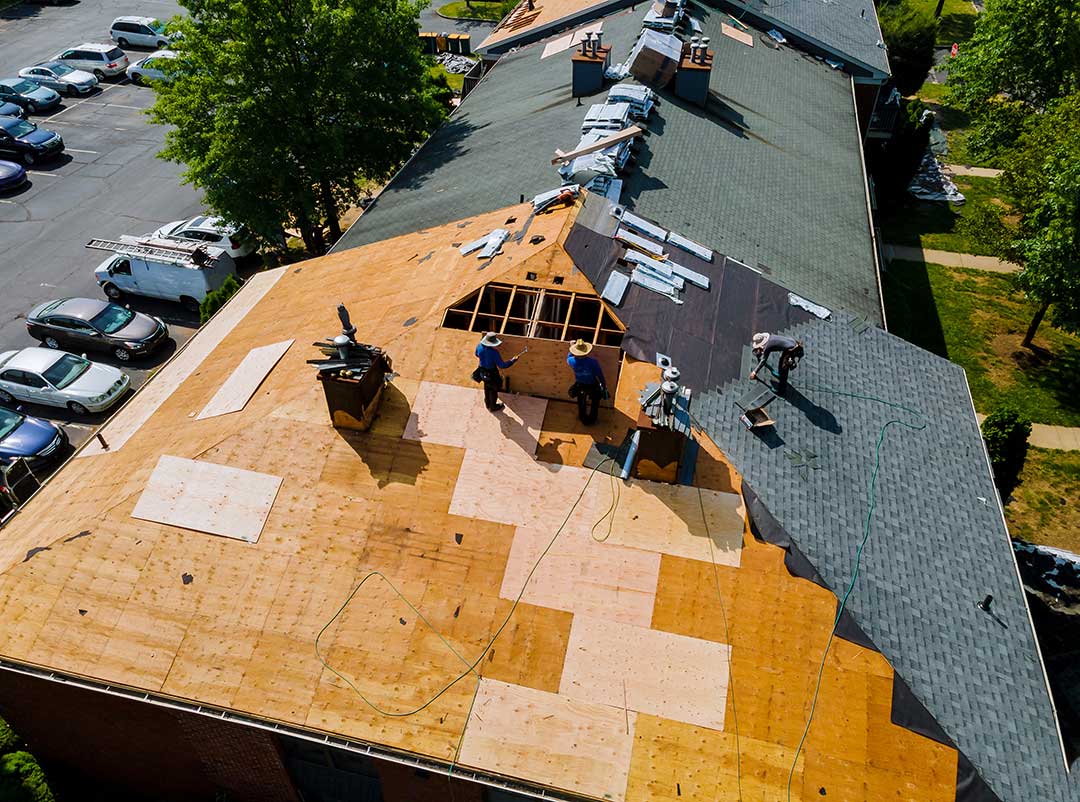
- Major, ongoing leaks where water is gushing or pooling rapidly
- Repeated leaks that have caused significant ceiling or wall stains
- Signs of ceiling sagging, widespread wet insulation, or mold odor
- Leaks near electrical panels or outlets
- Damage affecting shared roofs in townhouses or apartments
Local building codes in Little Falls, especially for multi-family units, sometimes require repairs to be performed or inspected by qualified personnel to ensure both safety and insurance compliance.
How Do Weather and Seasons in Little Falls Affect Roof Leaks?
Little Falls homes experience heavy winter snows, spring rains, and sudden temperature fluctuations. These conditions cause roof materials to expand and contract, which can open small gaps. Ice dams—ice that forms along eaves during freeze-thaw—are a common local cause of leaks, allowing meltwater to back up under shingles.
Heavy autumn leaf fall can clog gutters and valleys, adding risk after a soaking rain. Regular roof and gutter maintenance in late fall helps prevent water issues during the next wet season. If you discover a new leak after a big storm or rapid thaw, it may connect to these seasonal challenges.
What Are Common Myths About Dealing with Roof Leaks?
Some common misconceptions often lead to bigger problems:
- “The leak will go away when the rain stops.” While dripping may pause, water trapped above ceilings or inside insulation can cause decay, mold, or even collapse weeks or months later.
- “A little patch fixes the whole problem.” Many leaks start small but stem from larger roofing or flashing failures.
- “It’s fine to wait until a bigger project.” Small leaks tend to worsen over time, increasing repair costs and home damage.
Residents who address leaks quickly—by drying, containing, and tracking the moisture—help protect the long-term value and safety of their homes.
