

What Is Roof Flashing?
Roof flashing refers to thin pieces of waterproof material installed at vulnerable points on a roof. These areas are where water is most likely to seep in, such as around chimneys, skylights, vent pipes, and where roof surfaces intersect. Flashing acts as a barrier, directing water away from seams and openings to prevent leaks inside the home. In a climate like that of Little Falls, NY—where seasonal snow, rain, and freeze-thaw cycles are common—proper flashing is essential for maintaining a watertight roof.
Why Does Roof Flashing Matter for Homes in Little Falls, NY?
Flashing helps prevent water intrusion that leads to rot, mold, and structural damage. Homes in this area face unique weather stress, including heavy winter snow and spring rainfall that can challenge older or poorly maintained flashing. Without effective flashing:
- Melted snow or rainwater may find its way under shingles or tiles, especially where roofing meets walls or dormers.
- Water can enter through cracks around chimneys, skylights, and roof edges, causing costly damage over time.
- Repeated freeze-thaw cycles can widen small openings, making the problem worse.
Proper flashing protects attics, ceilings, and wall cavities from dampness and, ultimately, extends the lifespan of a roof. Many older properties in the city still have original or outdated flashing, making regular inspection especially important.
Where Is Flashing Found on a Typical Roof?
Flashing is installed at nearly every joint or penetration in a rooftop. Common locations include:
- Valleys, where two roof planes meet and channel water downhill
- Around chimneys and flues, which project through the roof deck
- At the base and sides of dormers
- Along the edges of skylights
- Around vent pipes and roof vents
- Eaves and rakes at the roof edge
Each type of flashing is shaped for its specific purpose. Step flashing, for example, is layered with shingles along vertical walls, while drip edge flashing is used at roof edges to push water away from the underlying structure. Chimney flashing often combines several styles—such as base, step, and counterflashing—for thorough protection.
What Materials Are Used for Flashing?
Most flashing is made from durable, non-corrosive materials:
- Galvanized steel is common for its strength and moderate cost.
- Aluminum is lightweight and easy to shape but can corrode if not properly coated.
- Copper is highly durable and develops a natural patina, but it is more expensive.
- Rubber or plastic-based flashings are sometimes used for vent pipes and less visible areas.
In Little Falls, galvanized steel and aluminum are most widely used because they withstand local weather and are readily available. On historic homes, copper flashing may be found around older chimneys.
How Can Residents Tell if Their Flashing Needs Attention?
Signs of failing or damaged flashing are often subtle at first. Early detection is key to preventing interior leaks and widespread roof problems. Local households can look for:
- Rust or corrosion on visible flashing surfaces, especially near the roof edge or chimney
- Lifting, bent, or missing flashing segments, sometimes visible from the ground
- Water stains, discoloration, or peeling paint on interior ceilings and walls
- Drips, puddles, or musty odors in the attic after a rain or thaw
- Shingles near flashing that appear loose or curling
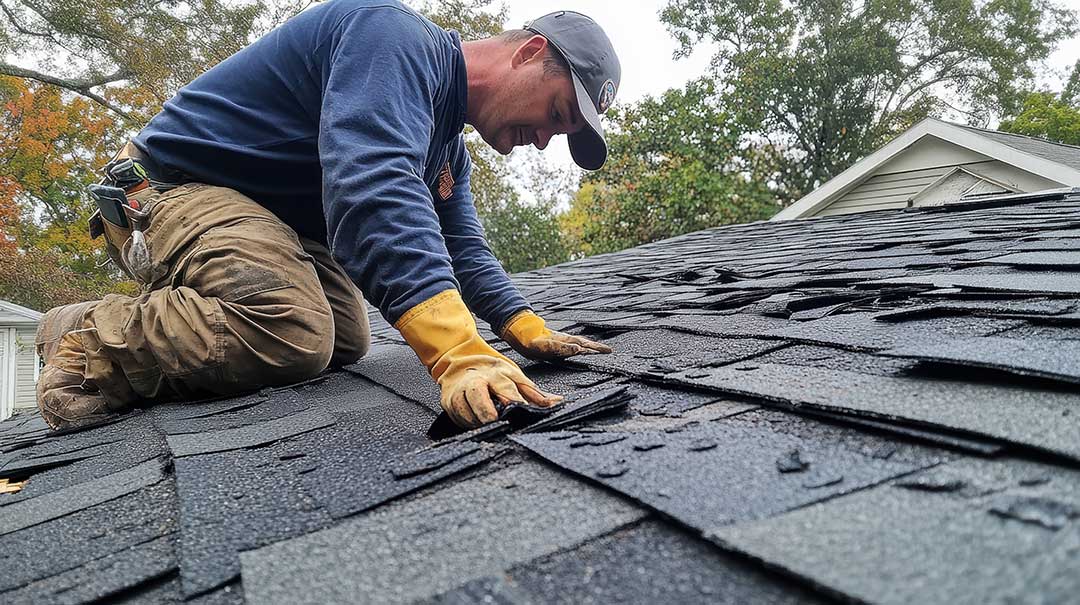
Strong winds, ice buildup, or falling branches can loosen flashing and break the weather seal, even if the rest of the roof is in good shape. After severe storms or heavy snowfall, a visual check from the ground (using binoculars) can help spot obvious problems.
What Common Mistakes Should Be Avoided With Flashing?
One misconception is that caulking or roofing cement alone can permanently seal flashing gaps. While these materials can provide a short-term patch, they are not a substitute for properly installed and secured flashing. Additional mistakes include:
- Relying solely on roofing felt or underlayment for protection at seams
- Mixing incompatible metals, which can accelerate corrosion
- Failing to overlap flashing properly, allowing water to flow behind the barrier
Another common pitfall is neglecting flashing during routine roof maintenance or replacement. Skipping the inspection or reuse of old, corroded flashing can undermine an otherwise solid roofing project.
How Does Weather in Little Falls Impact Flashing Performance?
The climate in this region intensifies the workload on roof flashing due to:
- Rapid temperature swings, which can flex and stress metal joints
- Ice dams at roof edges, which trap water behind shingles and force it under poorly sealed flashing
- High winds that can lift or shift flashing, especially on older roofs or steep pitches
- Damp springs and fall storms that exploit any weak points in the roofing system
Local building codes generally require specific flashing details for new or replacement roofs to help manage these risks. For homeowners in the area, regular roof inspections—especially before and after the winter season—are the best way to ensure flashing remains in good condition.
Can Flashing Be Repaired, or Does It Need Full Replacement?
Whether flashing should be repaired or replaced depends on the type and extent of the damage. Small holes or minor corrosion may be patched with roofing sealant as a temporary measure. More often, flashing that is cracked, missing, or severely rusted needs to be replaced to restore full protection.
Replacing flashing often requires lifting or removing surrounding shingles, so it is sometimes combined with larger roofing repairs. For small areas and simple repairs, handy homeowners can sometimes handle the work safely, but repairs near tall chimneys, steep slopes, or in icy conditions are best left to those with appropriate skills and equipment.
