
What Should Homeowners in Little Falls, NY Look for in a Roofing Contractor?
Local residents should start by verifying credentials, familiarity with local regulations, and proven experience with roofs suited for the region’s weather patterns. Living in an area that faces cold winters, ice dams, and springtime thunderstorms means roofing work needs to meet strict standards.
Check for the following before considering any contractor:
- A valid New York State home improvement contracting license, when required by law.
- General liability insurance and worker’s compensation coverage for all workers.
- A local track record—roofers who have completed multiple jobs in the area will understand the typical roof types and challenges of local homes.
Asking neighbors or acquaintances who have recently completed similar projects can also provide practical insight.
Why Does Local Experience Matter in Roofing Jobs?
Contractors with a substantial history of work nearby are more likely to anticipate and manage challenges presented by the city’s unique weather and housing stock. In Little Falls, the seasonal temperature swings, freeze-thaw cycles, and effects of snow accumulation make certain roofing systems and repair methods more successful over time.
Local experience typically translates to:
- Familiarity with older homes, slate or asphalt shingle roofs, and potential ice dam problems.
- Understanding typical attic ventilation needs to prevent moisture buildup.
- Awareness of permitting processes or any municipal inspection requirements in the city.
Roofing that looks fine in a mild climate may not stand up to the combination of snow, ice, and summer storms seen in the community.
Are Written Estimates and Contracts Necessary?
Documented project details protect both homeowners and contractors. A reputable roofer will provide a written estimate that breaks down project costs, materials, expected start and finish dates, and warranty information.
Residents should expect a straightforward, itemized contract that covers:
- Type and brand of roofing materials
- Scope of work (decking repairs, flashing replacement, vent installation)
- Timeline for project completion
- Payment structure and schedule
- Clean-up and disposal arrangements
Some homeowners overlook the importance of written agreements, assuming a handshake is good enough. Unfortunately, this can result in misunderstanding if problems arise—especially with unpredictable weather that may delay work or uncover hidden issues.
How Can Residents Evaluate a Roofer’s Reputation?
Trustworthy contractors maintain a history of satisfied area customers. Feedback from local homeowners is often a more reliable indicator than online reviews alone. When possible, visit roofing projects completed several years ago to observe how well the work has held up.
Consider these approaches:
- Ask for references from former clients in or near Little Falls.
- Seek out opinions from neighbors, local hardware stores, or community groups.
- Research consumer complaints and resolution history, using sources like the New York State Attorney General’s consumer protection bureau if major issues are suspected.
For larger jobs, some contractors might have photos of finished roofs similar in style or material to your own home, which can help homeowners gauge quality and suitability.
What Are Signs of a Quality Roofing Job in the Community?
A well-done roofing project stands out by its attention to detail and its suitability for the climate and home design. In Little Falls, key indicators include:
- Straight shingle courses, no apparent warping or uneven areas
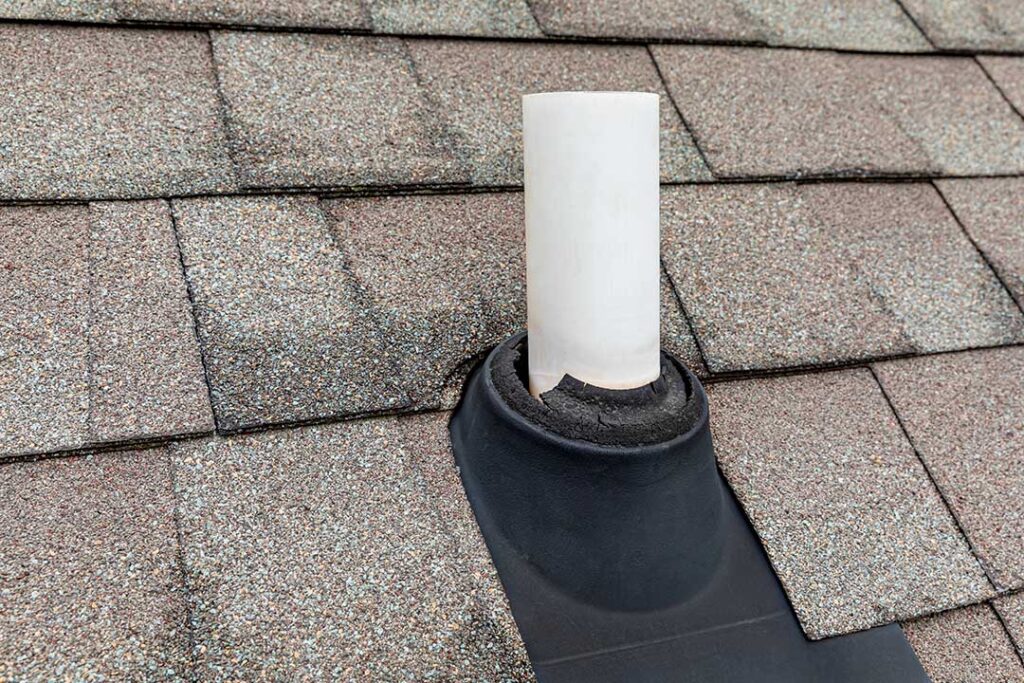
- Secure and properly installed flashing around chimneys, vents, and valleys
- Smart use of ice and water barriers, particularly at the eaves and in valleys to minimize ice dam damage
- Adequate attic ventilation to reduce condensation and moisture-related rot
- Proper cleanup with no stray nails or leftover materials
It’s a common misconception that a roof will be maintenance-free if installed well. The city’s winter conditions almost always require occasional post-winter checks for ice damage or loose flashing, regardless of installation quality.
What Red Flags Should Homeowners Watch Out For?
Certain signs suggest a contractor may not be reliable or properly prepared for local roofing projects. Be wary of:
- Vague or unwritten estimates
- No proof of insurance or licensing
- Reluctance to provide local references
- Extremely low bids—these can signal the use of substandard materials or underpaid labor
- High-pressure sales tactics, especially after storms or during peak repair seasons
Traveling crews that appear suddenly after storms and have no history in the area often disappear just as quickly, leaving homeowners with incomplete or poorly executed work.
How Does Seasonal Timing Affect Roofing in Little Falls?
The timing of a project can affect both quality and availability. Spring and early summer, when weather is more predictable, are popular times for major roof replacements. Still, urgent repairs can come up in any season due to wind damage or ice issues.
Key considerations for the area:
- Winter and early spring can make roofing work hazardous and less reliable due to snow, ice, and cold temperatures that may prevent certain materials from sealing properly.
- Planning ahead allows residents to select from more contractors and avoid premium pricing during busy times.
- After severe weather, waitlists for quality contractors may grow quickly; those with less experience or no local ties may arrive offering quick but less reliable repairs.
What Should Be Included in a Typical Roofing Warranty?
Reliable contractors clearly explain what is—and isn’t—covered in their work. Most roofing systems installed in Little Falls come with:
- Manufacturer’s warranties on materials (range from 20 to 50 years, but can have exclusions)
- Workmanship warranties from the contractor (often 1-10 years)
Homeowners should understand how to make a claim and what circumstances might void a warranty. For example, failing to address gutter clogs or unapproved alterations to the roof can limit coverage. Some mistakenly believe all leaks are automatically covered, but coverage details vary by installer and product.
Warranty terms should be clear in writing before any work begins.
