
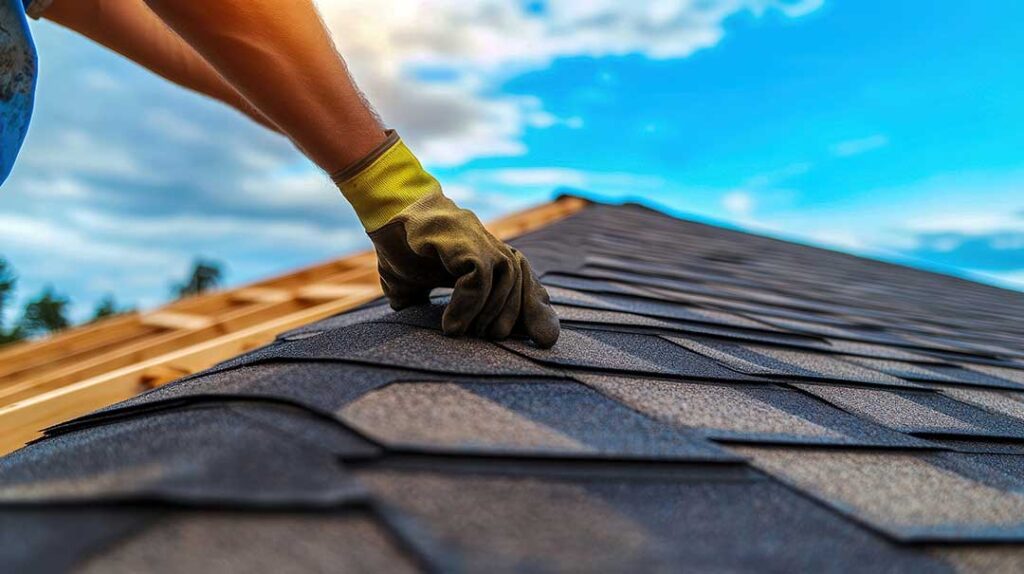
Roof underlayment is the protective layer installed between the roof deck and the visible roofing material. Although it cannot usually be seen from the ground, it helps limit water intrusion, protect the roof structure, and provide temporary coverage while shingles or other roofing materials are being installed.
For homeowners in Little Falls, NY, understanding this hidden component can make roof inspections, maintenance decisions, and repair discussions easier to follow.
What does roof underlayment do?
Roof underlayment creates a secondary barrier beneath shingles, metal panels, or other roof coverings. The outer roofing material sheds most rain and snow, while the underlayment helps stop moisture that gets past joints, fasteners, damaged shingles, or wind-driven precipitation.
It can also:
- Protect the roof deck from brief exposure during installation
- Reduce the chance of leaks around vulnerable areas
- Separate some roofing materials from the wood deck
- Help limit moisture damage caused by minor roof-covering failures
- Provide additional protection beneath valleys, ridges, and roof penetrations
Underlayment is not designed to replace properly installed shingles or flashing. It is part of a layered roof system, and each layer has a different job.
What types of underlayment are used?
The three most common categories are asphalt-saturated felt, synthetic underlayment, and self-adhering membrane.
Asphalt-saturated felt
Often called roofing felt, this traditional material has been used for many decades. It is made from a paper or fiberglass base saturated with asphalt.
Felt is generally less expensive and can provide dependable basic protection when installed correctly. However, it may tear more easily than newer synthetic products, can wrinkle if exposed to moisture, and may not remain as stable during extended installation delays.
Synthetic underlayment
Synthetic sheets are typically made from woven or nonwoven plastic materials. They are lighter than felt, resist tearing, and often tolerate exposure to weather better during construction.
Synthetic underlayment may be suitable beneath many asphalt-shingle systems, but installation details still matter. It must be fastened according to the roofing material’s requirements, with seams and edges properly overlapped.
Self-adhering membrane
Self-adhering membranes use an adhesive backing to bond directly to the roof deck. They are commonly used in areas that need extra protection, such as eaves, valleys, roof-to-wall intersections, and locations around chimneys or other penetrations.
These membranes can help reduce leakage from wind-driven rain and ice dams. They are not automatically necessary across every roof surface, and their use depends on the roof design, material instructions, and applicable building requirements.
Why does underlayment matter in a cold, snowy climate?
Seasonal changes place additional stress on roofing systems. In the Little Falls area, roofs may face snow accumulation, freeze-thaw cycles, wind-driven rain, and periods of rapidly changing temperature.
Ice can form along colder roof edges when heat escapes through the attic and melts snow higher on the roof. If water backs up behind that ice, it may work beneath shingles. A properly selected and installed water-resistant membrane along vulnerable eaves can reduce the risk of leakage, but it cannot correct poor attic insulation or inadequate ventilation by itself.
Underlayment also matters during spring and fall weather, when rain may arrive before a roof installation is finished. The material provides temporary protection, but it should not be treated as a permanent exposed roof covering.
Is underlayment waterproof?
Some underlayments are waterproof or highly water-resistant, but not all products provide the same level of protection. Standard felt is generally water-resistant rather than completely waterproof. Synthetic materials vary by design, and self-adhering membranes usually provide stronger protection against water movement.
Even a waterproof membrane cannot protect a roof if water is allowed to enter around improperly installed flashing, exposed fasteners, open seams, or damaged roof edges. Roof drainage and installation quality remain essential.
Where is underlayment most important?
Underlayment is especially significant in areas where water is more likely to collect, slow down, or move sideways.
These locations include:
- Eaves and roof edges
- Valleys where two roof slopes meet
- Around chimneys, skylights, and vent pipes
- Roof-to-wall intersections
- Areas beneath loose or damaged shingles
- Low-slope sections where water drains more slowly
Valleys deserve particular attention because they carry runoff from two roof surfaces. If valley flashing, underlayment, or the surrounding shingles are poorly installed, leaks may appear far from the original entry point.
Can old underlayment be reused?
During a roof replacement, existing underlayment is usually not treated as a dependable long-term layer. It may be torn, brittle, wrinkled, fastened incorrectly, or weakened by years of temperature changes and moisture exposure.
Installing new underlayment allows the roof system to begin with a continuous protective layer. It also makes it easier to inspect the roof deck for rot, delamination, mold-like staining, or other damage that should be addressed before new roofing material is installed.
There are limited situations where a roof covering may be installed over an existing layer, but that decision depends on the condition of the roof, the materials involved, and applicable requirements. Covering problems does not eliminate them.
What problems can result from poor installation?
Underlayment may fail to perform properly if it is installed with incorrect overlaps, too few fasteners, exposed seams, or damaged sections. Wrinkles can create uneven areas beneath shingles and may interfere with proper drainage.
Common installation problems include:
- Underlayment stopping short of roof edges
- Seams aligned in a way that directs water underneath
- Fasteners placed outside the permitted areas
- Membrane applied to a dirty, wet, or unsuitable deck
- Missing protection around roof penetrations
- Mixing materials without following manufacturer instructions
A roof can appear visually sound while hidden installation defects remain. Leak symptoms may not show up until heavy rain, snowmelt, or strong wind puts the system under pressure.
How can homeowners recognize underlayment-related concerns?
Underlayment itself is rarely visible unless roofing materials have been removed or a section has failed. Homeowners usually notice the effects rather than the material.
Possible warning signs include:
- Water stains on ceilings or upper walls
- Damp insulation in the attic
- Musty odors after storms
- Staining around chimneys, vents, or roof valleys
- Shingles that are missing, lifted, or cracked
- Water appearing during snowmelt rather than rainfall
- Persistent moisture in an attic despite no obvious interior plumbing leak
A small ceiling stain does not necessarily indicate a small roof problem. Water can travel along roof decking, rafters, insulation, or framing before becoming visible indoors.
What should be checked during a roof inspection?
A useful inspection looks at the complete roof assembly rather than shingles alone. If the roof covering is lifted or removed, the condition of the underlayment and roof deck can be evaluated directly.
Questions worth asking include:
- What type of underlayment is present or proposed?
- Are vulnerable edges and valleys receiving appropriate protection?
- Is the roof deck dry, solid, and properly fastened?
- Are flashing details integrated with the underlayment?
- Has any underlayment been exposed longer than the product allows?
- Are attic ventilation and insulation conditions contributing to ice buildup?
Roofing materials work together. Underlayment, flashing, shingles, ventilation, insulation, and drainage must all function as a system, especially through repeated winter weather and summer heat.
