
How can animals damage a roof?
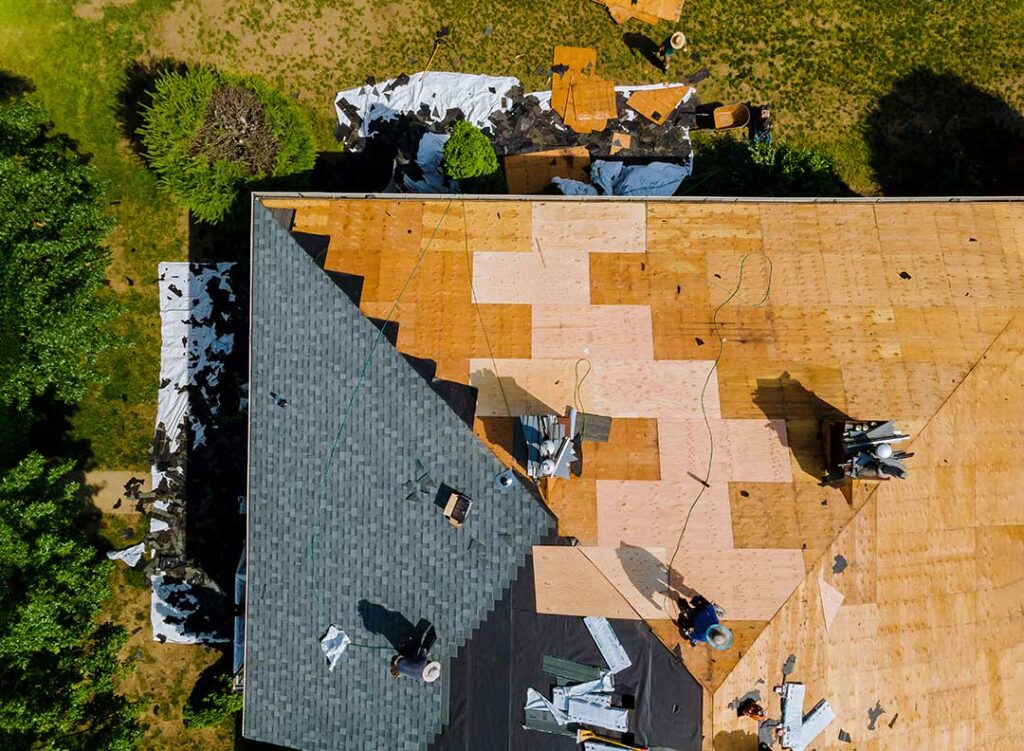
Animals can harm roof integrity through nesting, chewing, scratching, digging, and repeated movement across roofing materials. Even a small opening can allow water, cold air, insects, and additional wildlife to enter the roof system.
In Little Falls, NY, seasonal temperature changes, snow, wind, and older housing stock can make animal-related damage more noticeable. A roof that already has aging shingles, softened wood, or loose flashing may be easier for animals to penetrate than a recently maintained roof.
Animal damage is not always obvious from the ground. Some problems begin in the attic or beneath the roof edge and remain hidden until staining, odors, or interior deterioration appears.
Which animals commonly affect roofs?
Several types of wildlife and household pests can interfere with roof performance:
- Squirrels may chew through soffits, fascia, vents, and other thin materials. Their teeth grow continuously, so they often gnaw on wood, plastic, and weather-resistant components.
- Raccoons can lift shingles, enlarge existing openings, and tear apart roof-edge materials while searching for shelter.
- Birds may enter through damaged vents or gaps and build nests near chimneys, attic openings, or roof penetrations.
- Bats commonly use small gaps around flashing, ridge areas, and vents. Their presence may lead to staining, odor, and contamination in attic spaces.
- Mice and other rodents can enter through surprisingly small openings. Once inside, they may damage insulation, wiring, vapor barriers, and stored materials.
- Wasps and other insects may use gaps in trim or roofing components for nesting. Insect activity can also attract animals that hunt or feed on them.
The animal itself is only part of the problem. The opening it creates may allow moisture or additional pests to enter long after the original activity has stopped.
Why are roof edges especially vulnerable?
Roof edges are frequent entry points because they contain several connected components: shingles, drip edges, fascia, soffits, gutters, and ventilation openings. These materials expand, contract, and experience wind exposure throughout the year.
A loose fascia board or damaged soffit may provide enough space for a squirrel or bird to enter. Animals may then pull away more material while carrying nesting debris inside. Water can follow the same opening, especially during wind-driven rain or melting snow.
Gutter areas also deserve attention. Leaves, nest material, and animal droppings can obstruct drainage. Water that cannot move freely through the gutter system may back up beneath shingles or soak roof-edge wood.
Can animals cause leaks even if shingles look intact?
Yes. A roof may appear sound from the ground while animals have damaged hidden parts of the assembly.
Possible concealed problems include:
- Torn or displaced underlayment beneath shingles
- Holes around plumbing, attic, or exhaust vents
- Cracked vent boots
- Damaged flashing near chimneys or wall intersections
- Compressed or removed insulation
- Wet roof decking beneath an apparently intact shingle surface
- Blocked ventilation caused by nesting material
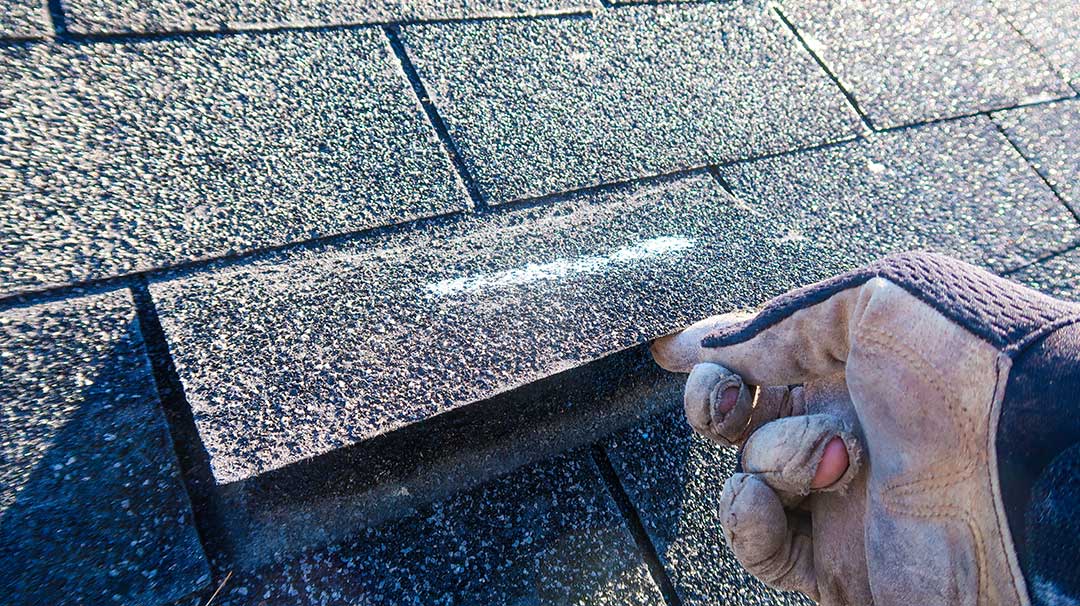
Animals may also disturb shingles without removing them completely. A lifted edge can permit water to travel underneath during storms. In cold weather, repeated freezing and thawing may enlarge small gaps and weaken surrounding materials.
What signs suggest animal activity in the roof or attic?
The most useful clues are often found inside the attic, near the roofline, or around exterior trim. Residents may notice:
- Scratching, scurrying, or fluttering sounds
- Droppings or urine odors
- Shredded insulation or nesting material
- Daylight visible through roof or wall openings
- Stains on attic wood or ceilings
- Gnaw marks on wood, plastic, or wiring
- Loose shingles or damaged ridge and soffit areas
- Feathers, fur, or nesting debris
- Repeated animal activity near one roof location
- Sudden drafts or unusually cold attic sections
Not every ceiling stain is caused by wildlife. Plumbing leaks, ice dams, condensation, and flashing failures can create similar symptoms. The location, timing, and pattern of the damage help distinguish among possible causes.
How does winter weather affect animal-related roof damage?
Cold weather increases the value of sheltered attic spaces, so animals may become more persistent after temperatures fall. Snow and ice can also conceal entry points from view.
In the Little Falls community, winter conditions may add several stresses at once. Snow can cover damaged shingles, while freeze-thaw cycles widen cracks in wood and roofing accessories. Ice buildup near roof edges may trap moisture against damaged areas. If nesting material blocks soffit or ridge ventilation, condensation can accumulate in the attic and affect roof decking.
Wildlife should not be assumed to be the cause of every winter roof problem. Ice dams, inadequate insulation, air leaks, and blocked ventilation can all contribute to moisture damage. Animal activity may worsen those conditions without being the original cause.
Should an entry hole be sealed immediately?
Not always. Sealing an opening without determining whether an animal is inside can trap wildlife in the attic or separate a parent from young animals. That can create odor, contamination, and additional damage.
A safer approach is to first identify:
- What species is using the opening
- Whether the animal is currently inside
- Whether young animals may be present
- How the animal is entering and leaving
- Whether the opening is connected to electrical wiring or structural damage
After the animals are safely out, the opening should be repaired with materials suited to the location. Temporary screening may help prevent re-entry while the area is being evaluated, but it should not block necessary roof ventilation.
Wildlife handling may also be subject to seasonal or local rules. Direct contact with bats, raccoons, or animal waste creates health risks, so protective measures and appropriate guidance are necessary in those situations.
What roof materials and details help discourage animal entry?
No roof is completely animal-proof, but sound construction and routine maintenance reduce opportunities for entry. Useful protective details include:
- Securely fastened shingles and ridge caps
- Intact soffits, fascia, and roof-edge boards
- Properly installed vent covers that preserve airflow
- Durable flashing around chimneys, walls, and roof penetrations
- Closed gaps around pipes and utility penetrations
- Strong screening at appropriate attic openings
- Trimmed branches that do not provide easy access to the roof
- Functional gutters that do not retain nesting material or standing water
Ventilation openings should never be sealed simply because they attract birds or insects. They are part of the roof’s moisture-control system. The goal is to prevent animal entry while maintaining required airflow.
Can homeowners inspect for animal damage safely?
A ground-level inspection is usually the safest starting point. Binoculars can help identify missing shingles, torn soffits, loose flashing, nests, or activity near roof edges without requiring ladder access.
Inside the attic, use caution around droppings, unstable boards, exposed nails, electrical wiring, and inadequate flooring. Avoid disturbing nests or reaching into dark openings. A mask, gloves, eye protection, and adequate lighting may reduce exposure, but protective equipment does not eliminate all health risks.
Roof surfaces become especially hazardous when wet, icy, moss-covered, or snow-covered. Climbing onto a roof to investigate wildlife damage can turn a minor repair issue into a serious fall hazard.
When does animal damage require prompt attention?
Prompt attention is warranted when water is entering the building, the roof deck feels soft, electrical wiring has been chewed, an animal is trapped, or insulation and attic framing are contaminated.
A small exterior gap may appear minor, but roof damage can spread through connected materials. Moisture can weaken wood, encourage mold growth, stain ceilings, and reduce insulation performance. Chewed wiring creates a separate fire concern that should not be treated as ordinary roof maintenance.
Documenting the location with photographs from a safe position, noting sounds or odors, and recording when the problem began can help clarify what happened. The most effective repair addresses both the animal entry route and the roof component that allowed the opening to develop.
