
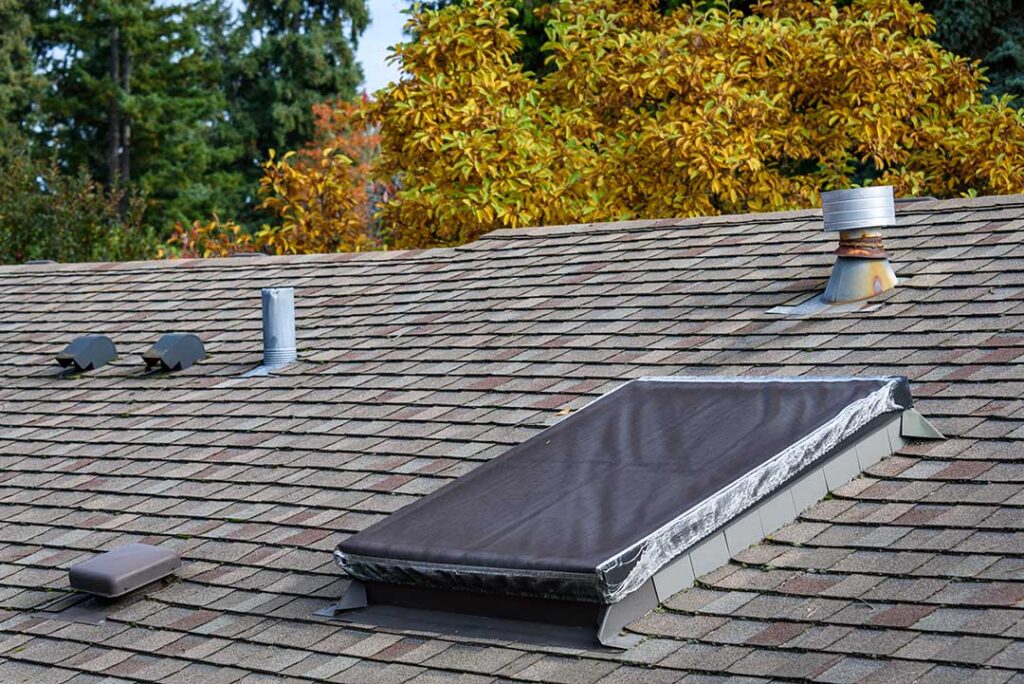
Roofing scams often appear after a storm, a visible leak, or a knock at the door from someone claiming to have noticed damage. The safest response is to slow the process down, verify information independently, and avoid making payment or signing paperwork before understanding exactly what is being offered.
Why are roofing scams more common after storms?
Storms create urgency. Wind, heavy rain, ice, and falling branches can damage shingles, flashing, gutters, and roof edges across a neighborhood at the same time. Scammers take advantage of homeowners who are worried about water entering the house or who do not know how to judge roof damage.
A person may appear shortly after a storm and claim that immediate work is required. Sometimes the damage is real, but the proposed repair may be exaggerated, unnecessary, or priced unfairly. In other cases, the person may not be qualified to perform roofing work at all.
In Little Falls, seasonal weather can make roof concerns especially time-sensitive. Freeze-thaw cycles, winter ice, spring rain, and summer thunderstorms may expose existing weaknesses. Even so, most roofing decisions do not need to be made within minutes of a stranger’s visit.
What are the most common warning signs?
Several patterns should make a homeowner cautious:
- An unsolicited person arrives at the door and insists that the roof has serious damage.
- The visitor claims to be working nearby but cannot provide clear identification or a verifiable business address.
- The homeowner is pressured to sign immediately because “prices will change tomorrow.”
- A large deposit or full payment is demanded before materials arrive or work begins.
- The person refuses to provide a written scope of work.
- The proposed contract uses vague descriptions such as “repair roof as needed.”
- The contractor asks the homeowner to sign an insurance authorization without explaining what it does.
- The price is far below several comparable written proposals, or the cost changes sharply after work starts.
- The person discourages questions, independent inspections, or communication with the insurance company.
- Payment is requested only in cash, by wire transfer, gift card, or another method that is difficult to recover.
A single warning sign does not prove fraud. Several together indicate that the homeowner should pause and verify before proceeding.
How can a homeowner verify a roofing contractor?
Verification should come from sources other than the person making the offer. Ask for the legal business name, physical mailing address, telephone number, proof of insurance, and references for recent work. Then check those details independently rather than relying only on a website, vehicle lettering, or printed flyer.
Useful verification steps include:
- Search the business name separately and look for consistent contact information.
- Confirm that the business has a history of serving the area rather than appearing only after a recent storm.
- Ask whether workers are employees or subcontractors and who will be responsible for the job.
- Request proof of liability insurance and workers’ compensation coverage where applicable.
- Speak with recent customers and ask whether the final price matched the written agreement.
- Check whether required local permits apply before work begins.
A legitimate contractor should be able to answer ordinary questions without becoming defensive. Verification is not an insult; it is a normal part of a major home repair.
What should a written roofing contract include?
A written contract protects both sides by defining the work before materials are removed or installed. It should be specific enough that another person could understand what is being done and what is excluded.
Look for:
- The contractor’s legal name, address, and telephone number
- The homeowner’s name and the property address
- A description of the roofing areas involved
- The type, quantity, color, and quality of materials
- Removal and disposal details for old roofing
- Treatment of damaged decking, flashing, vents, or trim
- Start and expected completion dates
- Total price, payment schedule, and any conditions that could change the price
- Responsibility for permits and inspections
- Warranty terms, including who provides each warranty
- A process for approving additional work
- Cancellation rights required by applicable law
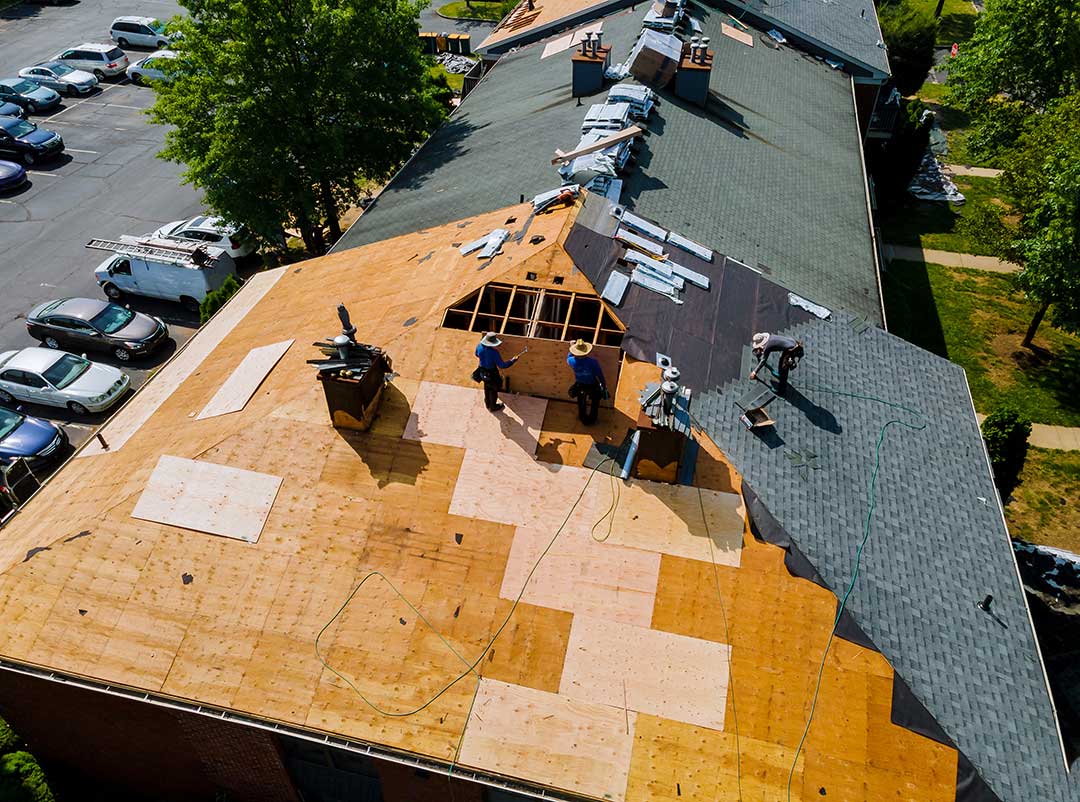
Be cautious if the agreement leaves major items to be decided later. “Additional repairs as needed” should not permit unlimited charges. If hidden damage is discovered, the contractor should document it and obtain approval for the added cost before continuing.
How do roofing scams involve insurance claims?
Insurance-related scams often begin with a promise that the homeowner will pay little or nothing out of pocket. No contractor can guarantee how an insurance claim will be decided. Coverage depends on the policy, the cause of damage, exclusions, deductibles, and the insurer’s inspection.
A contractor should not encourage a homeowner to exaggerate damage, misrepresent the age of the roof, or submit false information. That can create serious financial and legal problems for the policyholder.
Homeowners should:
- Photograph visible damage before temporary repairs, if safe.
- Keep receipts for emergency measures that prevent additional damage.
- Report a potential claim directly through the insurer’s official contact information.
- Read any assignment-of-benefits or insurance authorization document carefully.
- Avoid signing blank forms or documents that transfer control of the claim.
- Compare the contractor’s description with the insurer’s written findings.
A roofing contractor may provide an estimate or discuss observed damage, but the insurer determines coverage under the policy.
What should a homeowner do after an unexpected roof inspection?
Do not allow an unverified visitor onto the roof simply because the person claims to have found a problem. Ask for a written explanation and take time to obtain an independent assessment.
If a leak is active, place containers under dripping areas, move belongings away from water, and photograph the affected ceiling or wall. Do not climb onto a wet, steep, icy, or damaged roof. A temporary tarp or other emergency measure may be appropriate only when it can be installed safely.
A contractor who refuses to leave, demands immediate access, or becomes threatening should not be allowed inside the home. Keep doors locked, preserve messages or paperwork, and consider reporting suspected fraud to the appropriate consumer protection or law-enforcement agency.
How can homeowners avoid payment problems?
Payment terms should match the progress of the work. A modest deposit may be normal for ordering materials, but a demand for nearly the entire contract price before work begins creates unnecessary risk.
Use traceable payment methods and keep copies of invoices, receipts, canceled checks, messages, photographs, and contracts. Never pay extra charges that were not approved in writing. Before making the final payment, confirm that agreed work is complete, debris has been removed, and any required inspection or documentation has been addressed.
A low initial price can also be misleading if it excludes disposal, flashing, ventilation, decking, permits, or cleanup. Comparing the details of several written proposals is more useful than comparing only the headline price.
What if a homeowner has already signed or paid?
Act promptly but calmly. Read the contract for cancellation provisions, deadlines, refund language, and dispute procedures. Document the condition of the roof and the work performed. Communicate in writing and avoid additional payments until the disagreement is understood.
If there are signs of deceptive conduct, forged documents, unsafe work, or payment fraud, keep all evidence and report the matter to the relevant consumer protection, licensing, insurance, or law-enforcement authorities. A legal aid office or private attorney may also explain available options when a substantial amount of money is involved.
The most reliable protection is not technical roofing knowledge. It is time, documentation, independent verification, and a written agreement that clearly explains what will happen before anyone begins work.
